Have you ever wondered why there are so many protests happening around the world nowadays, yet nothing seems to change? They gain no real traction. This is because a successful movement requires two critical things:
- An easy-to-understand common goal
- A symbol or physical identifier allowing members to recognize one another quickly. This has the added benefit of making individuals feel they belong to something greater.
The most successful movements are religions. We can see how members showcase their faith through imagery, necklaces, bumper stickers, and pieces of clothing. While most people think this is simply to show respect, we are smart enough to look closer and recognize the truth: it’s advertisement. This branding allows religions to grow organically, makes it easy for members to congregate, and helps them collectively reject outsiders.
Historically, numerous successful movements have been catalyzed by deep-seated racial or colonial fractures. Examples include Gandhi’s Salt March, which mobilized Indians against British colonial rule, and the American Civil Rights Movement, which challenged the systemic oppression of African Americans by white Americans. Each example had an innate, built-in symbol based on the race of the movement’s members. This biological visibility bypassed the need to invent an artificial symbol, allowing the movement to scale and succeed quickly.
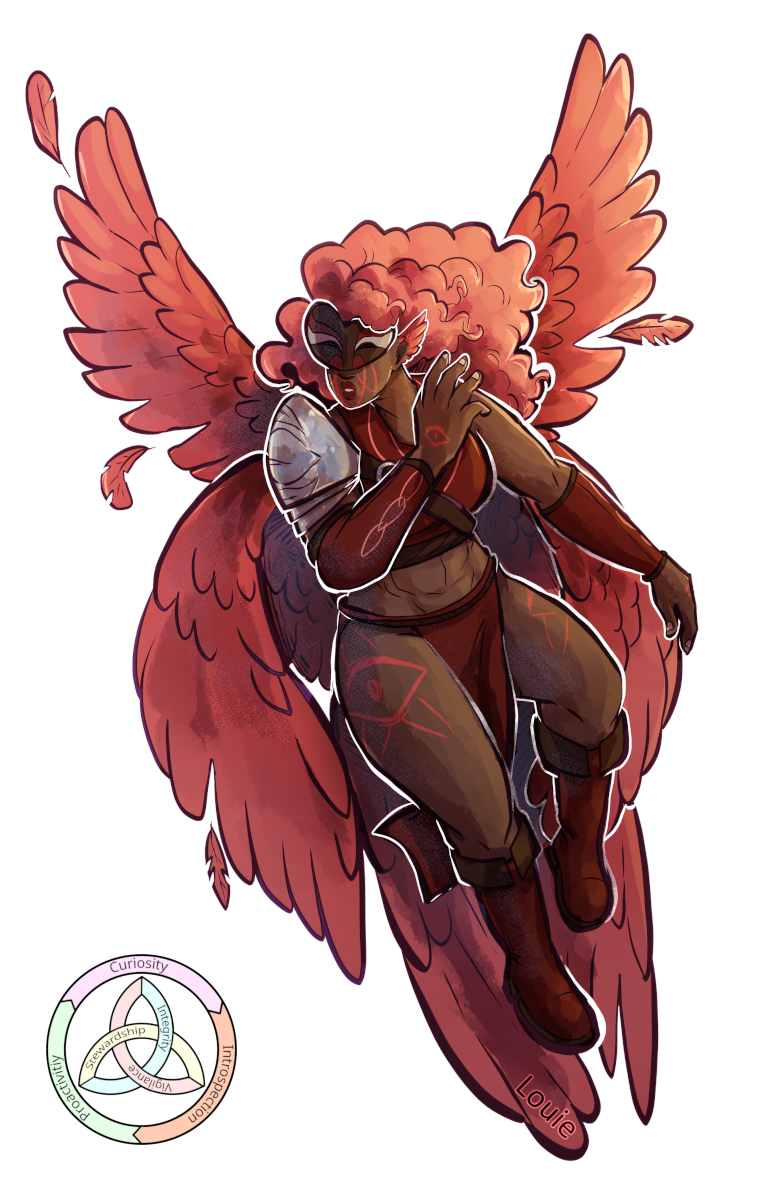
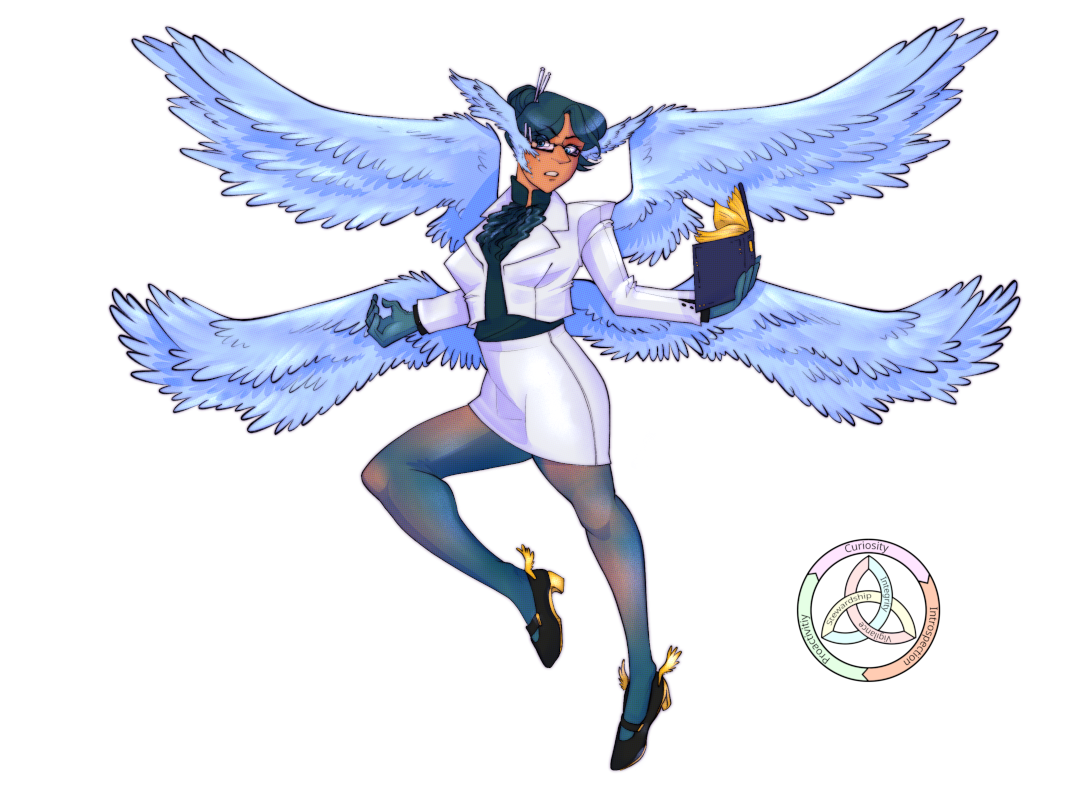
When I came to this realization, I had to stop and think. If I wanted to build a successful movement around the six virtues of good, I couldn’t rely on ideas alone. I needed a symbol. A symbol would do two things at once: it would allow our community to instantly recognize each other, and it would serve as a powerful billboard for the ideology.
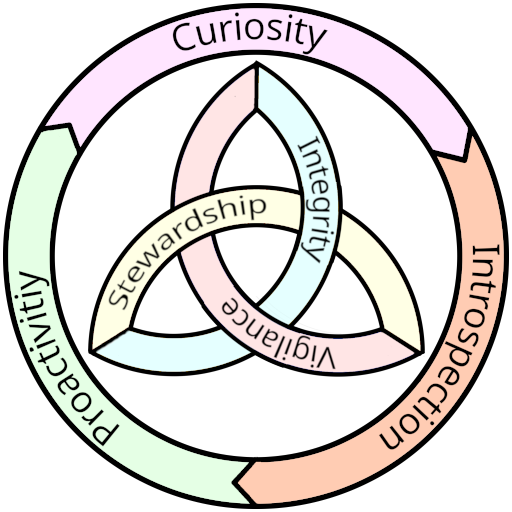
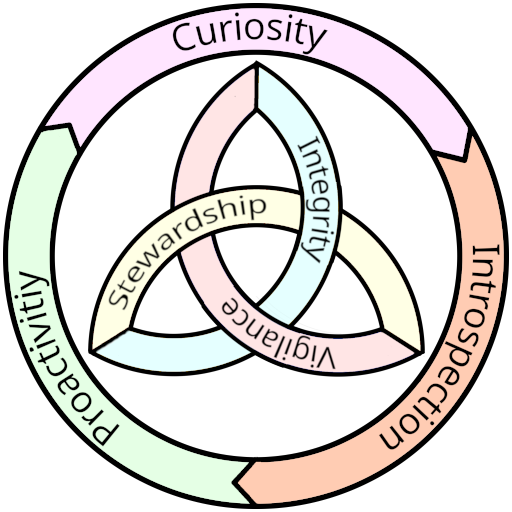
After countless iterations, I finally settled on this version. Here is exactly what it represents:
- Spelling out each virtue of good to avoid ambiguity.
- The Trinity knot represents the virtues of stability working together to keep society secure.
- The outer ring represents the virtues of change and their inherent potential. It symbolizes a virtuous cycle where curiosity gathers new information, introspection internalizes it, and proactivity applies the change. This cycle repeats ad nauseam, fueling continuous, lifelong improvement.